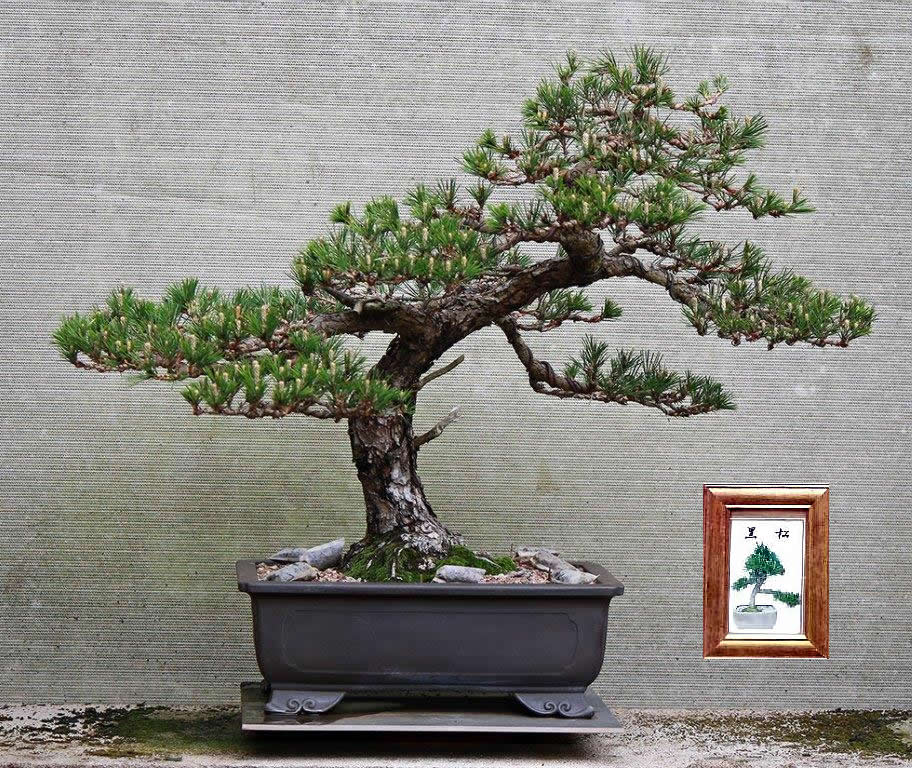
The Australian Bonsai Gallery is selling a number of old, well developed focus bonsai. Most are old 'yamadori' collected over 30 years ago and developed as bonsai.
For more detail Go to the Bonsai Catalogue

This website is speech enabled. Click on the blue icon, bottom right, to access. The website can be optimised for those with dyslexia.
The Australian Bonsai Gallery is selling a number of old, well developed focus bonsai. Most are old 'yamadori' collected over 30 years ago and developed as bonsai.
For more detail Go to the Bonsai Catalogue
More bonsai sold and going to a great home. The genesis of a collection in the hands of some very capable young people.

Some refinement improvements on these Chinese Elms in our For Sale Catalogue.

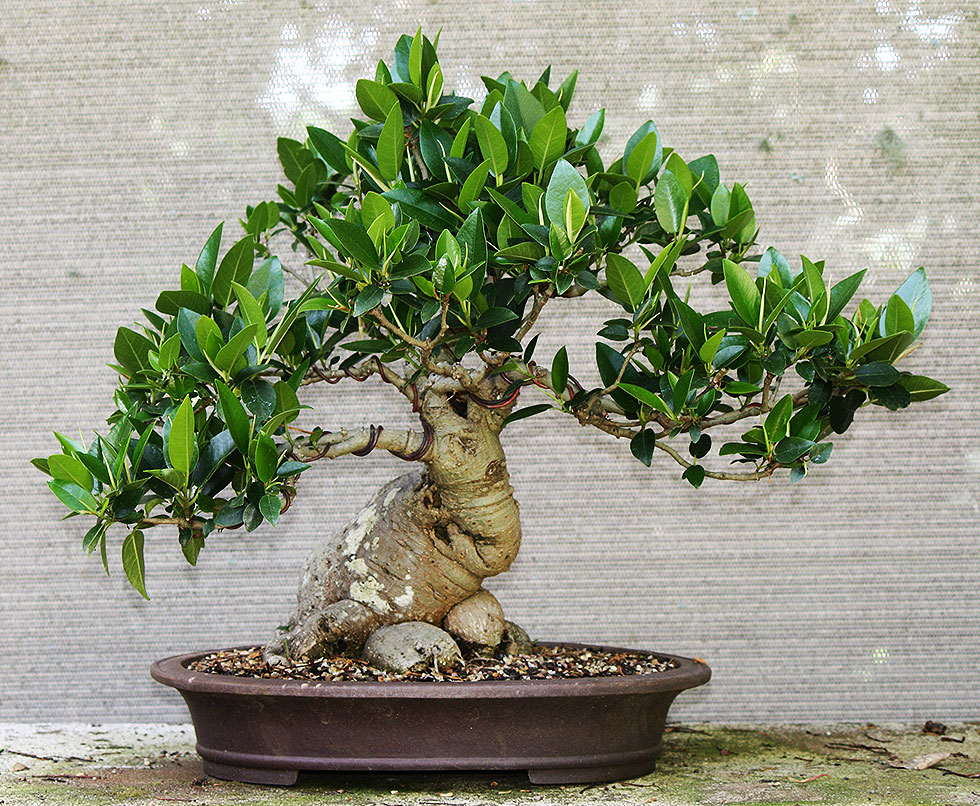
With the unusually hot weather I have started work on my Ficus Bonsai. These, and many others, will be up for sale soon.

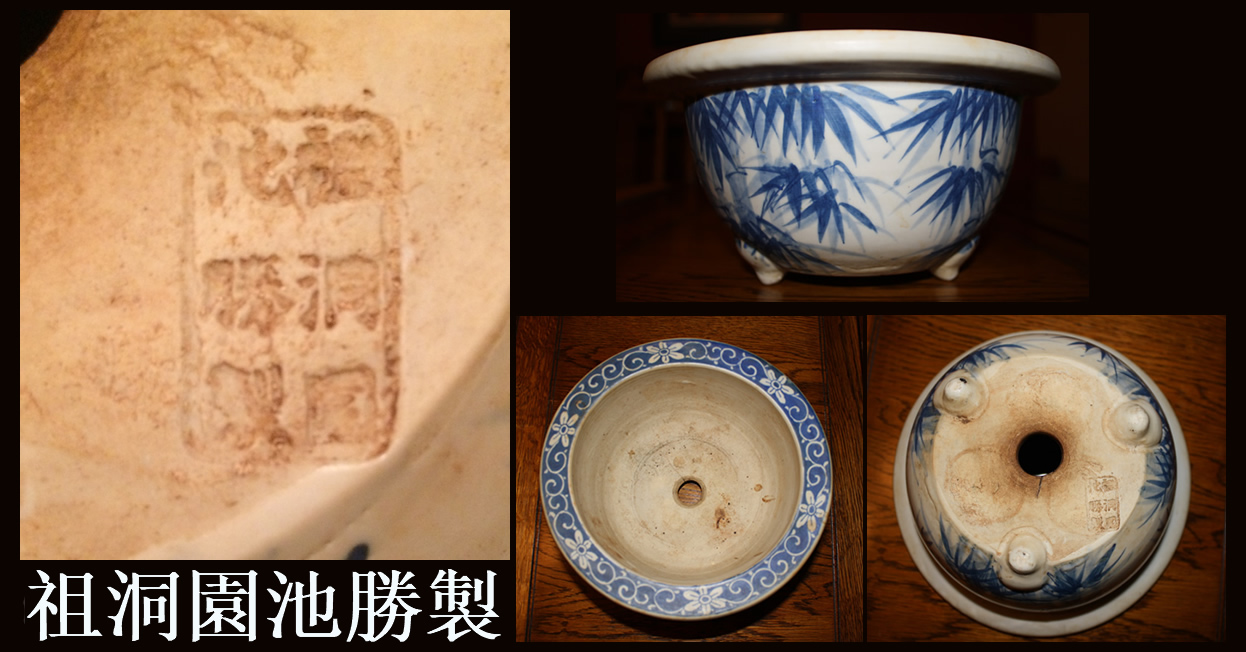
A friend has identified this pot as, possibly, being made in Seto, Japan. The 'chop' has also been identified - 祖洞園池勝製 . I have seen similar pots on Japanese auction sites, but the bamboo design is not the same, and the pots were not signed.
It has been a real curiosity ever since I purchased it from a second-hand store many years ago for the sum of $24.00.
Can anyone can 'shed some light' on the history of this pot ??.
Evrything I read about the Japanese Red Pine - Akamatsu - tells me that they are not as vigerous as the Black pine, and should not be needle thinned as much as JBP's.
Well, no one has told this old Akamatsu.... I call it Gakushū (学習); it means 'learning' as this bonsai still bears the 'scars' of 43 years of 'trial & error'.
 Gakushū (学習)
This old Kuromatsu has been in the Australian Bonsai Gallery collection for almost 40 years. It was developed as an 'informal upright' from an very early age.
The styling was very 'naive' and reflected my inexperience at the time. It was high time for a change! It is, now, on it's way to a better form.
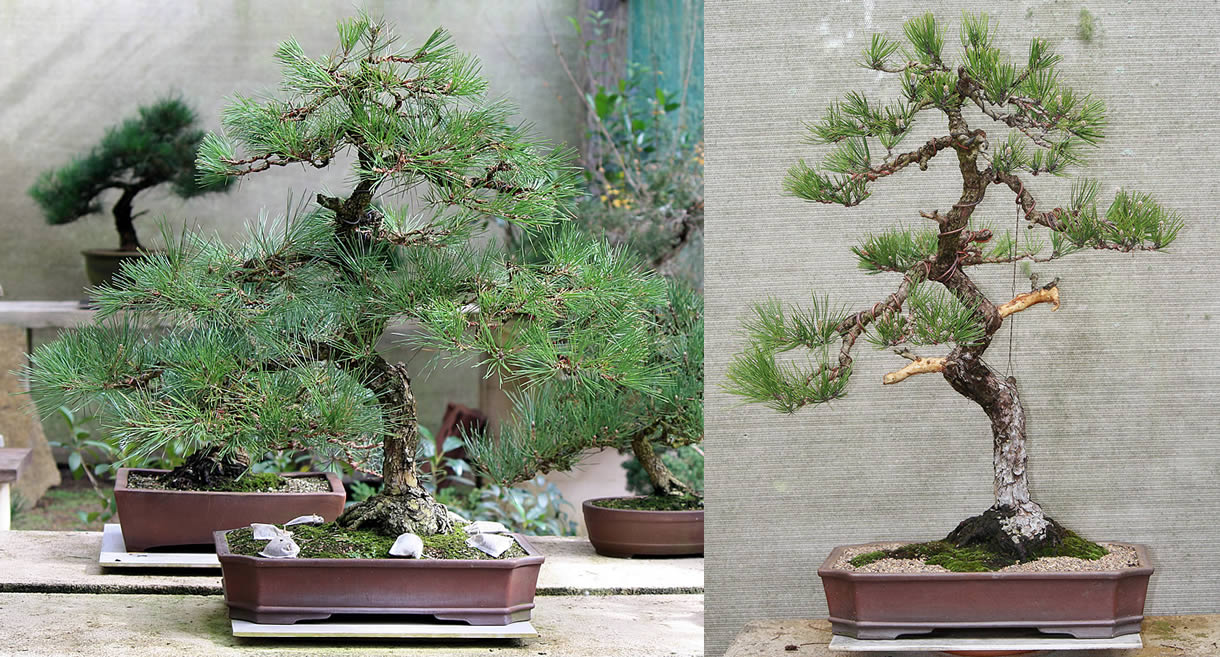
Old Japanese Black Pine will be On Sale Soon. It has a good nebari, has been needle thinned, bud selected, and wired last Autumn. Proactive fertilising throughout Autumn and Winter has seen very active and even 'first-flush' candle growth this Spring.
This is a bonsai worthy of further refinement. Please Contact Us if you are interested in this tree.
Going through some images of our last trip to Japan and found this very old Goyomatsu with massive nebari. The width of the nebari is ~70cm !!!

This old Kuromatsu was a generous gift from a very accomplished bonsai artist many years ago. Ian Hearn is probably one of the best black Pine bonsai growers in Australia and I was privileged to have been gifted this tree after it had been developed and shaped by Ian.
The small image here is of the original Japanese seed packet from which this bonsai had started from seed in 1970.
The story behind bonsai like this one is an important part of the history of bonsai and must be preserved. The story, and provenance, adds a richness to the art of bonsai.